Adis Ababa

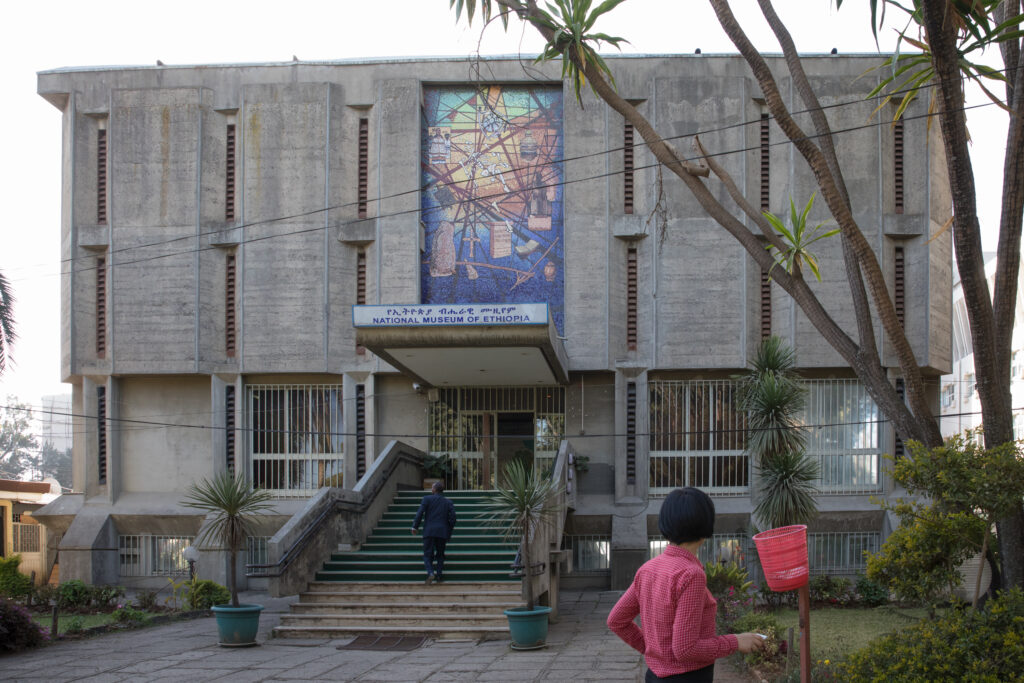
National Museum of Ethiopia

A visit to the National Museum of Ethiopia offers a powerful introduction to the country’s ancient and modern story. The museum is internationally celebrated as the home of “Lucy” (Dinknesh), the 3.2-million-year-old fossil that transformed our understanding of human origins.
Beyond this remarkable discovery, the museum displays prehistoric tools, ancient sculptures, imperial regalia, and cultural artifacts representing Ethiopia’s diverse ethnic communities.

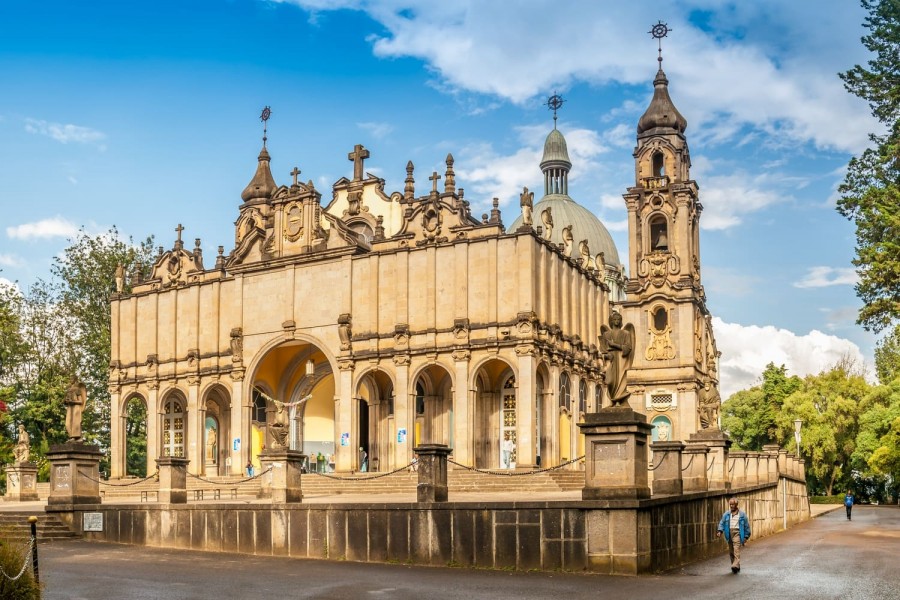
Holy Trinity Cathedral

Holy Trinity Cathedral stands as one of the most important religious landmarks in Ethiopia. Built to commemorate the country’s liberation from Italian occupation, it symbolizes national resilience and spiritual strength.
Inside, visitors encounter towering stained-glass windows, detailed murals, and a striking blend of Ethiopian and European architectural design. The cathedral is also the final resting place of Emperor Haile Selassie I and Empress Menen Asfaw, making it a site of historical and spiritual significance.

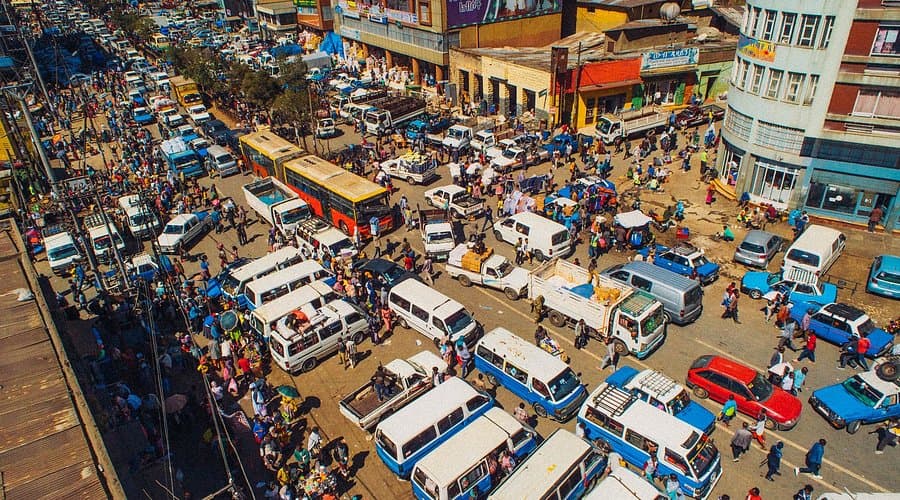
Merkato (Addis Mercato)

Merkato is one of Africa’s largest open-air markets and the vibrant commercial heartbeat of Addis Ababa. This vast and energetic marketplace offers everything from spices and coffee beans to woven baskets, textiles, traditional incense, and handcrafted goods. Walking through Merkato provides a genuine glimpse into everyday life and local trade culture.

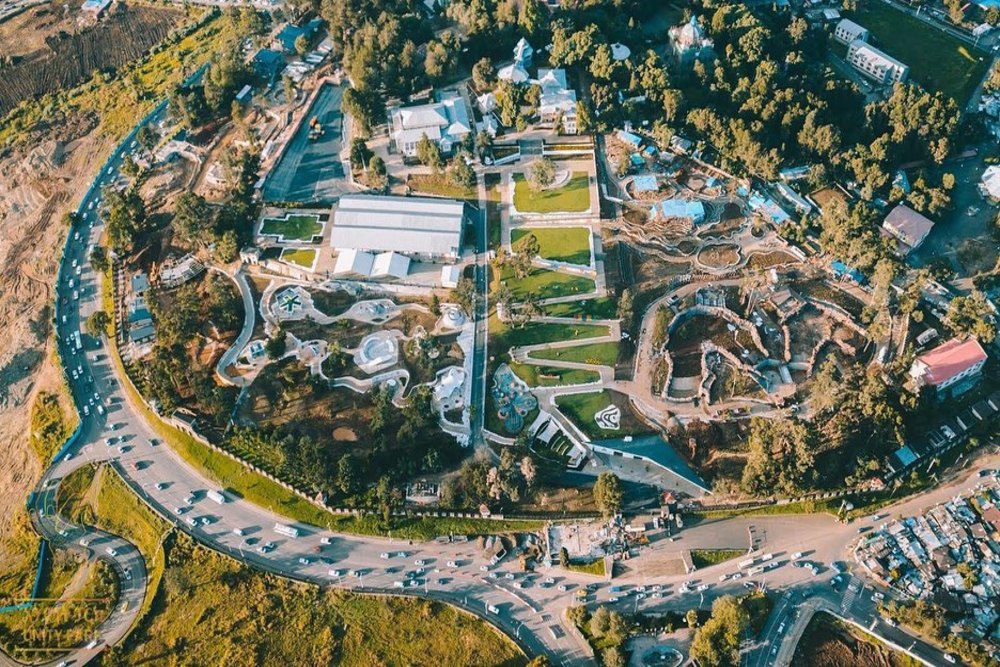
Unity Park

Located within the historic Grand Palace compound, Unity Park presents Ethiopia’s imperial legacy in a beautifully restored setting. The park includes preserved palace buildings, landscaped gardens, cultural pavilions, and historical exhibitions. Guests can explore former royal rooms, learn about Ethiopia’s diverse traditions, and enjoy a calm and educational environment in the heart of the capital.
Red Terror Martyrs Memorial Museum

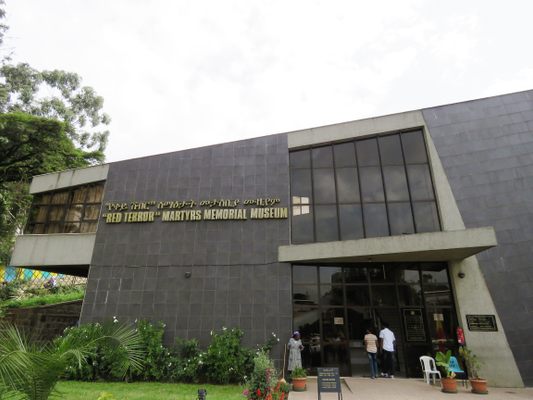
This memorial museum documents one of the most challenging periods in Ethiopia’s modern history (1974–1978). Through photographs, testimonies, and preserved records, visitors gain a deeper understanding of the nation’s past struggles and resilience. The experience is educational, reflective, and historically significant.

Ethnological Museum

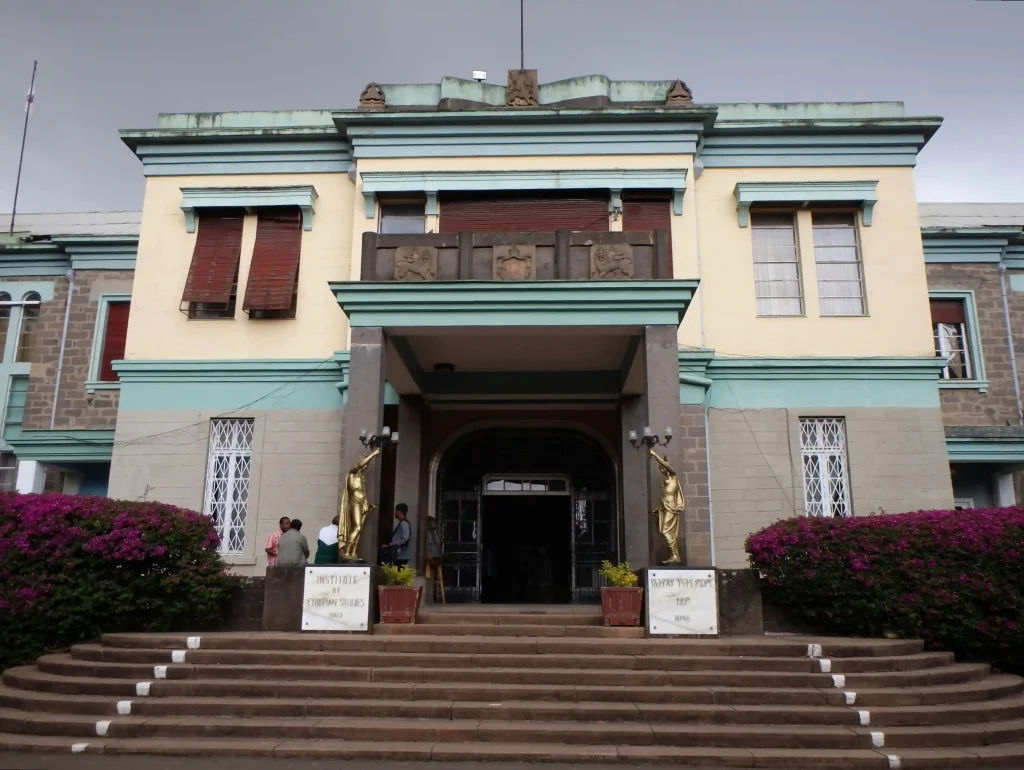
Housed within Addis Ababa University, the Ethnological Museum offers insight into Ethiopia’s diverse cultural traditions. The museum showcases traditional clothing, musical instruments, household objects, and spiritual practices from across the country. It is located in the former palace of Emperor Haile Selassie, and visitors can even see his preserved bedroom, adding a personal historical dimension to the experience.
Translate »