- Addis Ababa, Ethiopia
- kingdomethiopiatours@gmail.com
- +251998143357

Call Anytime
+251998143357
Omo Tribes
Hamar People
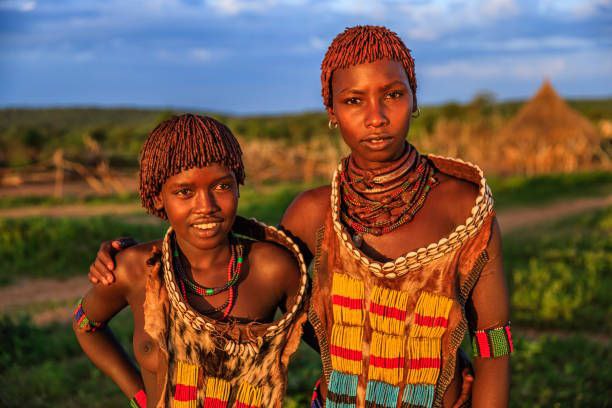
The Hamar inhabit the dry savannah landscapes of South Omo and are among the most culturally expressive communities in the region. Cattle are central to their economy and social status, influencing marriage, ceremonies, and wealth.
The famous bull-jumping ceremony marks a young man’s transition into adulthood. This rite of passage strengthens family bonds and reinforces social hierarchy. Hamar women are easily recognized by their layered bead necklaces and braided hair coated with ochre and butter a symbol of beauty and identity.

Mursi People
Living within the remote areas of Mago National Park, the Mursi are semi-nomadic pastoralists who rely heavily on cattle herding. Their society is organized around age sets and clan systems, with livestock playing a central role in economic and ceremonial life.
The clay lip plate tradition among women represents maturity and cultural pride. Men are known for ceremonial scarification and stick-fighting practices. Despite increasing exposure to tourism, the Mursi continue to preserve their ancestral way of life in one of Ethiopia’s most isolated environments.
Karo People
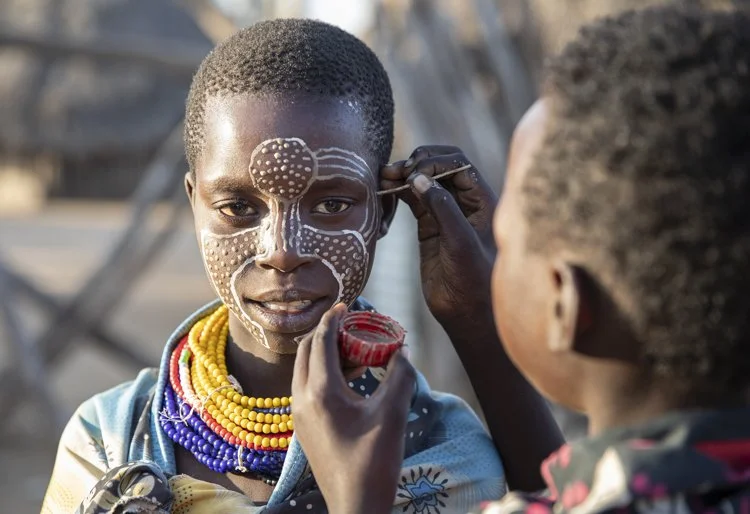
The Karo are one of the smallest ethnic groups in the Omo Valley, living along the eastern banks of the Omo River. They are especially admired for their intricate body painting, using natural pigments to create geometric and symbolic designs during festivals and celebrations.
Unlike many neighboring pastoral groups, the Karo rely more heavily on flood-retreat agriculture and fishing. Their riverside villages provide a unique setting where culture and nature merge harmoniously.
Dassanech People
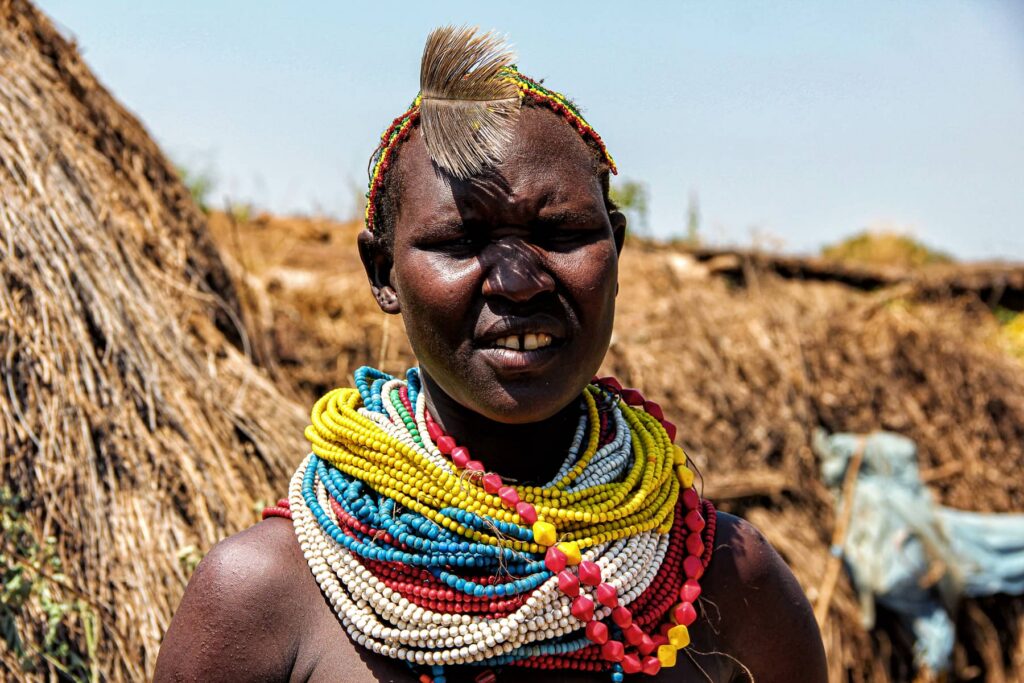
The Dassanech inhabit the lower Omo region near the Kenyan border. Their lifestyle is shaped by a challenging climate, requiring adaptability and mobility. They practice pastoralism combined with seasonal farming along riverbanks.
Traditional attire often incorporates recycled materials creatively adapted into decorative accessories. Social organization is clan-based, with strong community cohesion and respect for elders.
Banna People
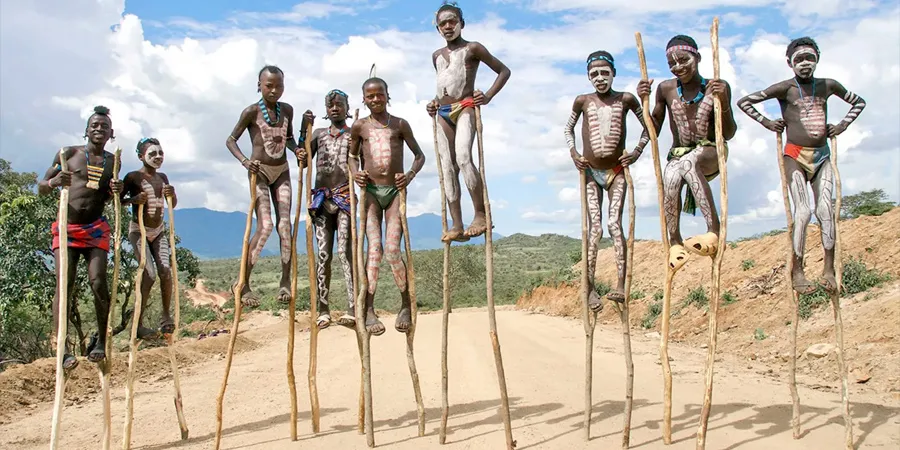
Closely related to the Hamar, the Banna live in the highlands between Jinka and Turmi. They share similar ceremonial customs, including rites of passage and cattle-centered traditions.
Weekly markets serve as important social gatherings where trade, storytelling, and cultural exchange occur. The Banna landscape of rolling hills and scattered villages adds scenic beauty to cultural encounters.
Arbore (Erbore) People
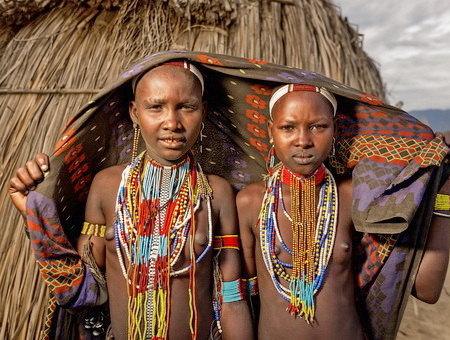
The Arbore live near Lake Chew Bahir in a semi-arid environment. Pastoralism remains central to their economy, and their villages reflect practical architecture suited to hot climates.
Their distinct beadwork and minimalist clothing styles express cultural identity while maintaining functional simplicity. Strong kinship networks help sustain their community life.
Tsemay (Tsamai) People
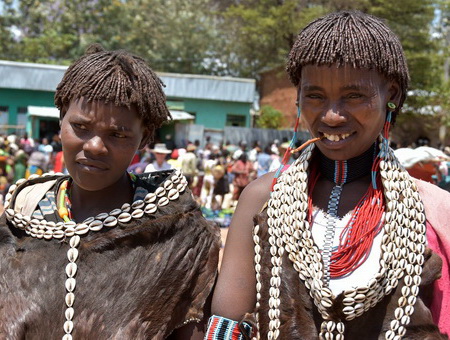
The Tsemay occupy areas between Weyto and Konso. Semi-nomadic in lifestyle, they are known for colorful bead ornaments, metal jewelry, and distinctive hairstyles.
Their weekly markets are vibrant gatherings that showcase both tradition and adaptability. Agriculture and livestock form the foundation of their livelihood.
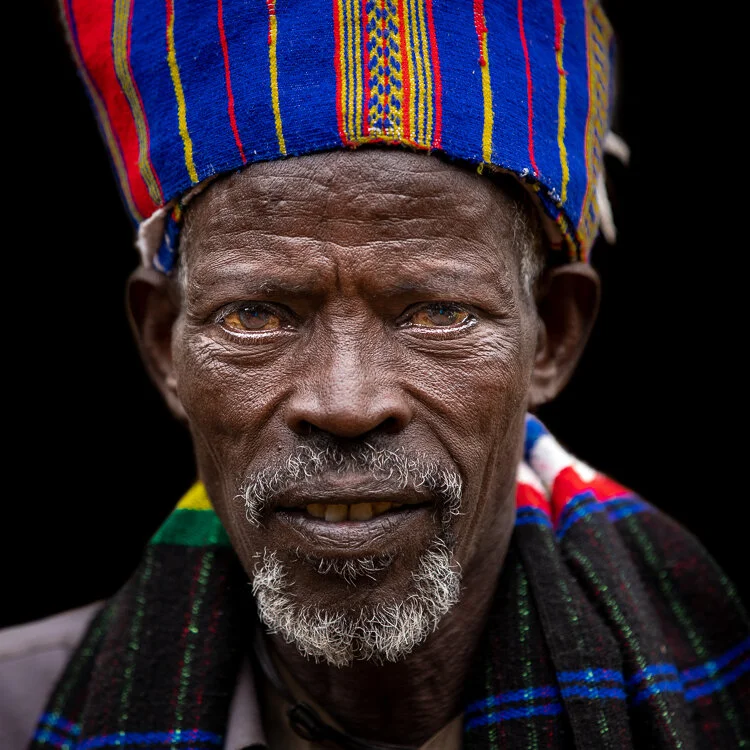
Konso People
The Konso live in the terraced highlands of southern Ethiopia. Their ancient stone-walled terraces demonstrate remarkable indigenous knowledge of soil conservation and water management, earning international recognition.
Fortified villages and carved wooden statues known as waka reflect a deeply structured social system built around age groups, leadership, and ancestral honor.
Nyangatom People
The Nyangatom reside in the remote lower Omo region near the borders of Kenya and South Sudan. Cattle herding shapes their economy, social status, and ceremonial life.
Women are known for elaborate beadwork and creative ornamentation. Despite harsh environmental conditions, the Nyangatom maintain strong community bonds and vibrant cultural practices.