- Addis Ababa, Ethiopia
- kingdomethiopiatours@gmail.com
- +251998143357


Call Anytime
+251998143357
Historical Attractions
Lalibela
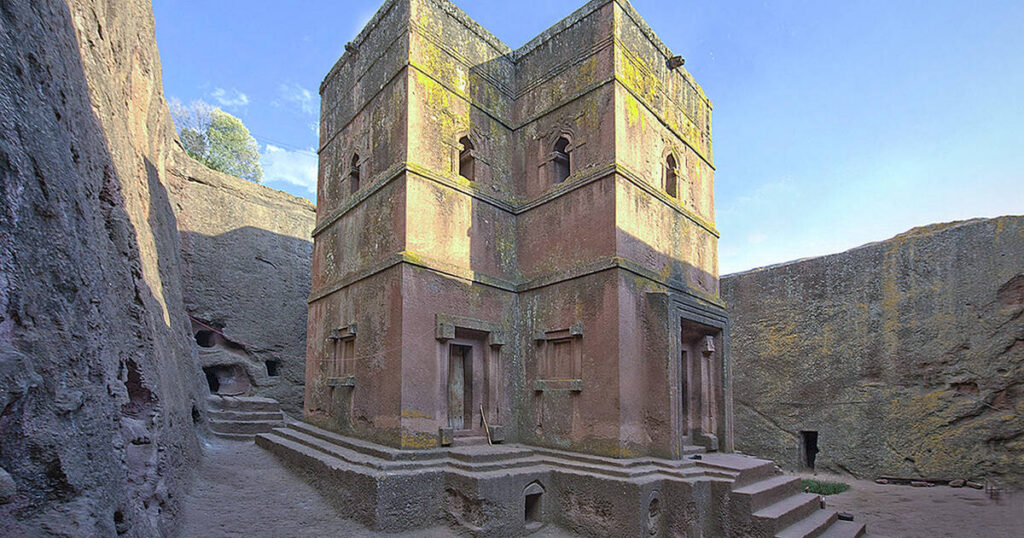
Lalibela stands as one of the most extraordinary spiritual and architectural achievements in human history. Often referred to as the “New Jerusalem of Africa,” this sacred town is home to eleven monolithic churches carved directly from solid volcanic rock in the 12th century. Commissioned by King Lalibela, these masterpieces were not constructed in the conventional sense they were carved downward into the earth, forming entire churches from single blocks of stone.
Axum
Axum is one of the great ancient civilizations of the world and the historic heart of Ethiopian identity. Between the 1st and 8th centuries AD, the Axumite Empire rose as a dominant trading power, connecting Africa, the Middle East, and the Mediterranean world. Today, Axum remains a sacred and archaeological treasure unlike anywhere else in Africa.
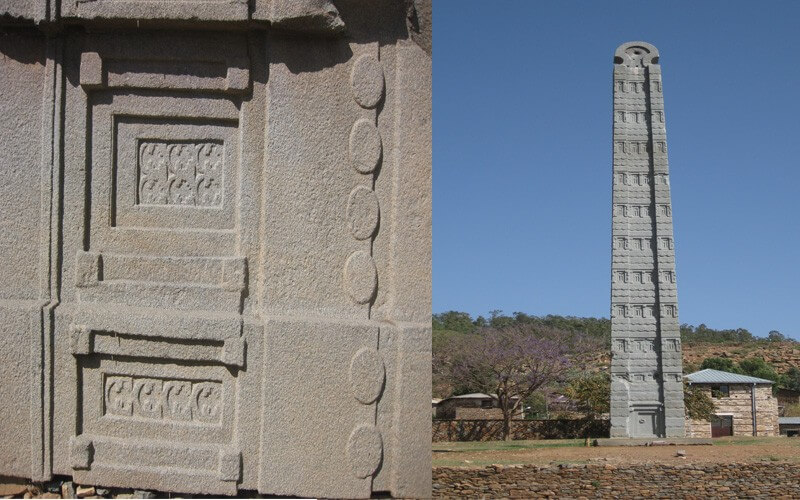
The city is famous for its towering granite obelisks massive stelae carved and erected nearly 2,000 years ago. Some reach heights of over 20 meters, decorated with intricate carvings that symbolize multi-story palaces. These engineering feats still puzzle historians and stand as proof of Axum’s advanced civilization.
Gondar
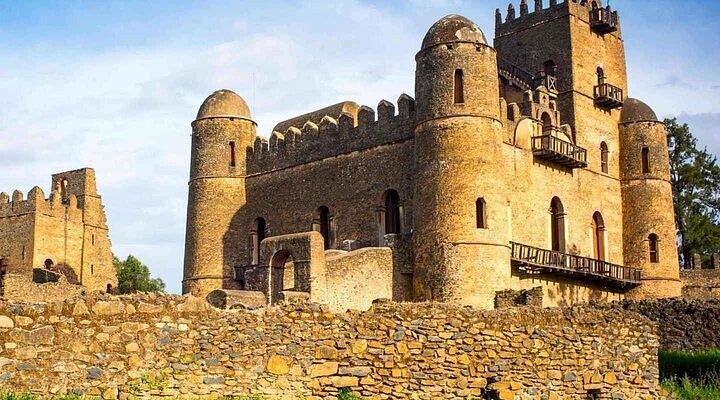
Often called the “Camelot of Africa,” Gondar offers a rare glimpse into Ethiopia’s imperial golden age. Serving as the royal capital during the 17th and 18th centuries, Gondar flourished under Emperor Fasilides and his successors, who built an architectural legacy unmatched in sub-Saharan Africa.
At the heart of the city lies Fasil Ghebbi, the Royal Enclosure a UNESCO-listed compound of castles, palaces, banquet halls, and defensive towers. The structures reflect a fascinating fusion of Ethiopian, Portuguese, Indian, and Moorish influences, revealing Gondar as a crossroads of global interaction and cultural exchange.
Yeha
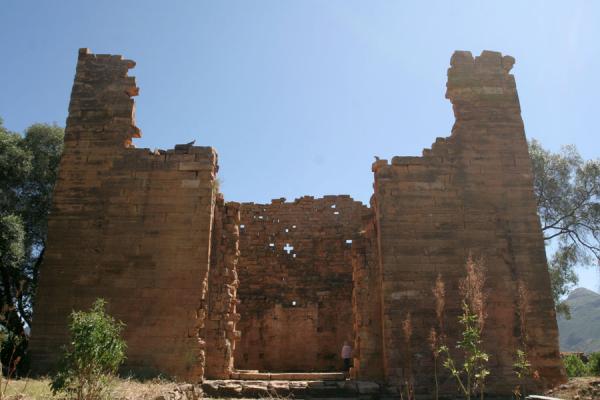
Yeha represents the deepest roots of Ethiopian civilization. Dating back to the 8th century BC, it is considered the oldest known urban center in Ethiopia and offers rare insight into pre-Axumite history.
The Temple of Yeha stands as its most impressive monument a towering stone structure built without mortar, its massive blocks precisely fitted together. Dedicated to a Sabean deity, the temple reveals ancient connections between Ethiopia and South Arabia, demonstrating early trade and cultural exchange across the Red Sea.
Harar Jugol
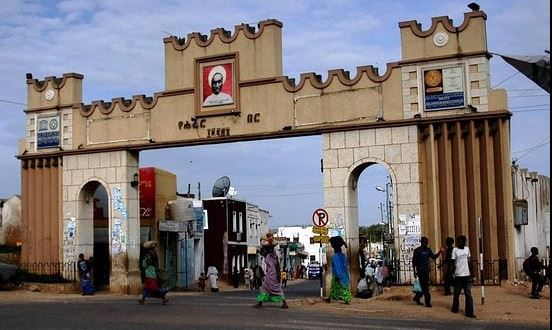
Harar is one of the most culturally unique cities in Africa and holds immense spiritual importance as the fourth holiest city in Islam. Enclosed by centuries-old defensive walls, the old city known as Harar Jugol is a maze of narrow alleyways, vibrant markets, colorful homes, and more than 80 mosques.
Founded between the 7th and 11th centuries, Harar became a major center of Islamic scholarship and trade in the Horn of Africa. Its architecture, interior courtyard houses, and decorative niches reflect centuries of cultural evolution and artistic identity.
Gheralta (Garaalta) Rock-Hewn Churches
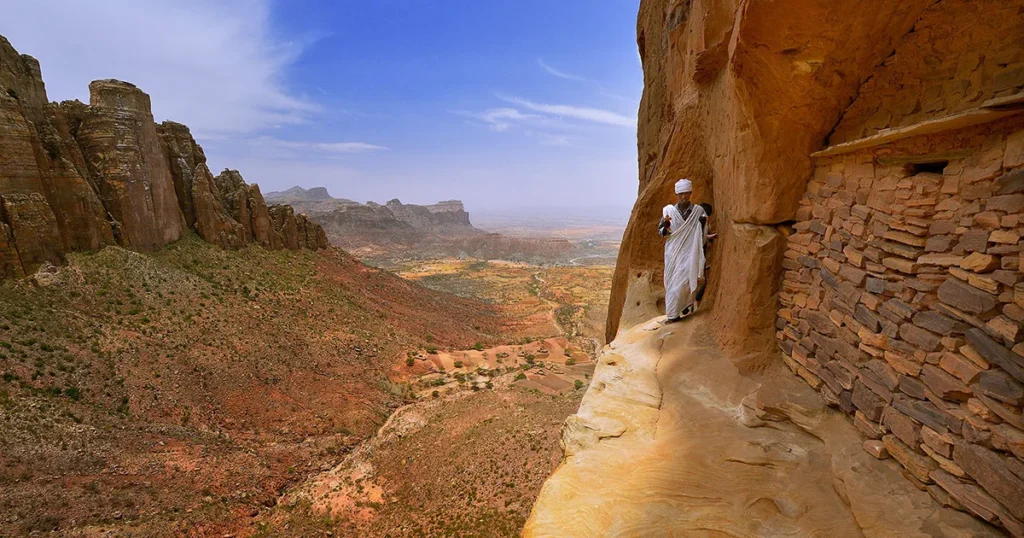
The Gheralta region in the Tigray highlands offers one of Ethiopia’s most dramatic and adventurous religious landscapes. Towering sandstone cliffs and rugged mountains conceal dozens of ancient rock-hewn churches carved into vertical rock faces.
Many of these churches require challenging climbs, narrow ledges, and steep ascents to access transforming each visit into both a spiritual and physical journey.